In 1985, after the Anglo-Irish Agreement was signed without unionist consent, a huge banner appeared on Belfast City Hall: "Belfast Says No". The slogan "Ulster Says No" came to sum up unionism for a generation. It was a cry of protest from people who felt their future was being decided over their heads, and that anger was understandable.
But a slogan of refusal cannot be a whole political philosophy. Forty years on, unionism faces a different challenge. The question is no longer only whether Northern Ireland stays in the United Kingdom. It is whether people of every background want it to.
Why "no" is not enough
A border poll would not be decided by committed unionists or committed nationalists. It would be decided by the large and growing group in the middle: people who see themselves as Northern Irish, people who vote for neither tradition, young people, and newcomers who have made their homes here.
Most of them are not asking whether a united Ireland is bad. They are asking which future is better for their jobs, their families, their health service and their children's prospects. A campaign built only on opposition gives them nothing to say yes to.
What unionism should say yes to
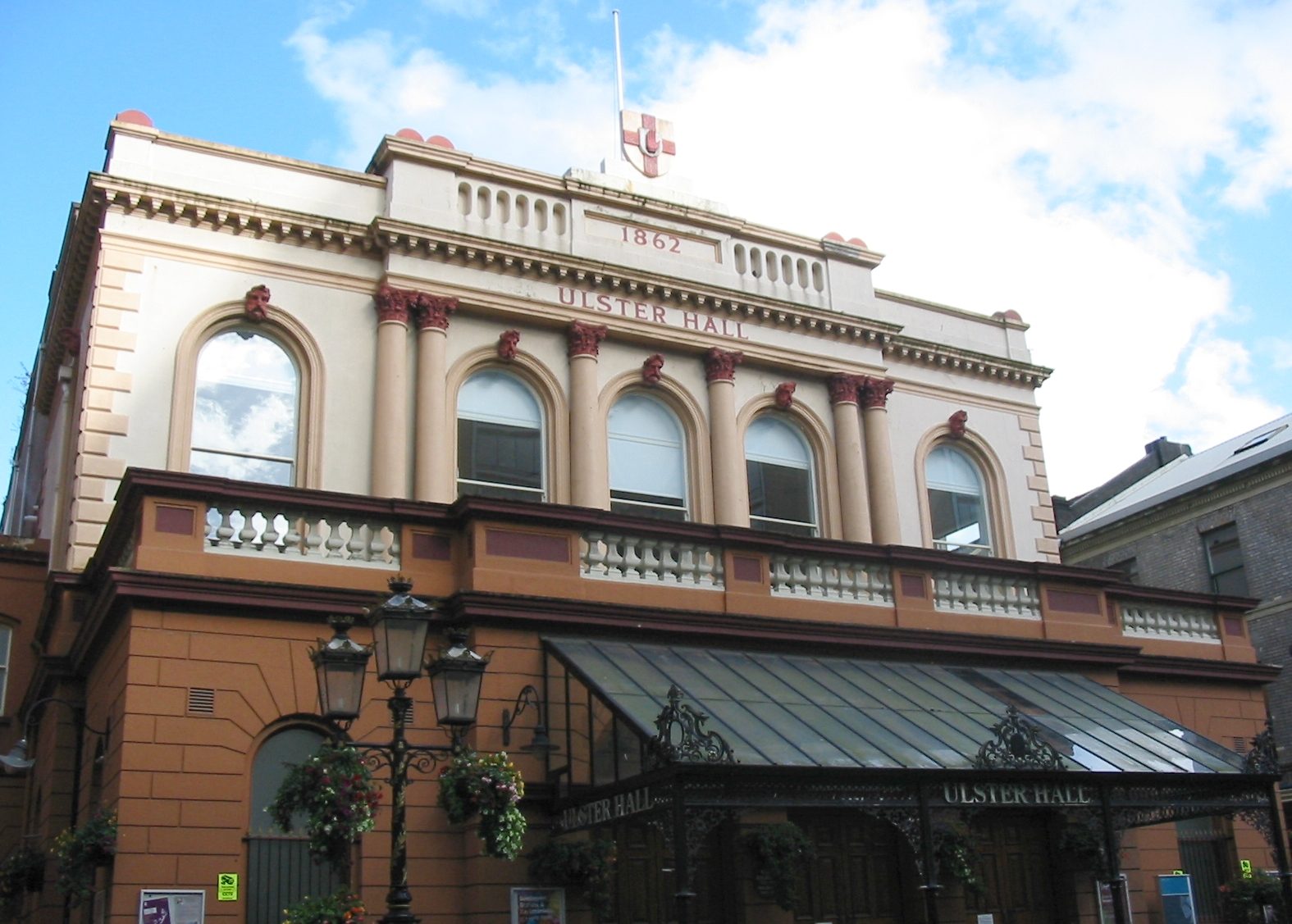
Yes to a Northern Ireland that works. Functioning government at Stormont, shorter hospital waiting lists, better schools and decent infrastructure. A Northern Ireland that works is the strongest argument for the Union there is.
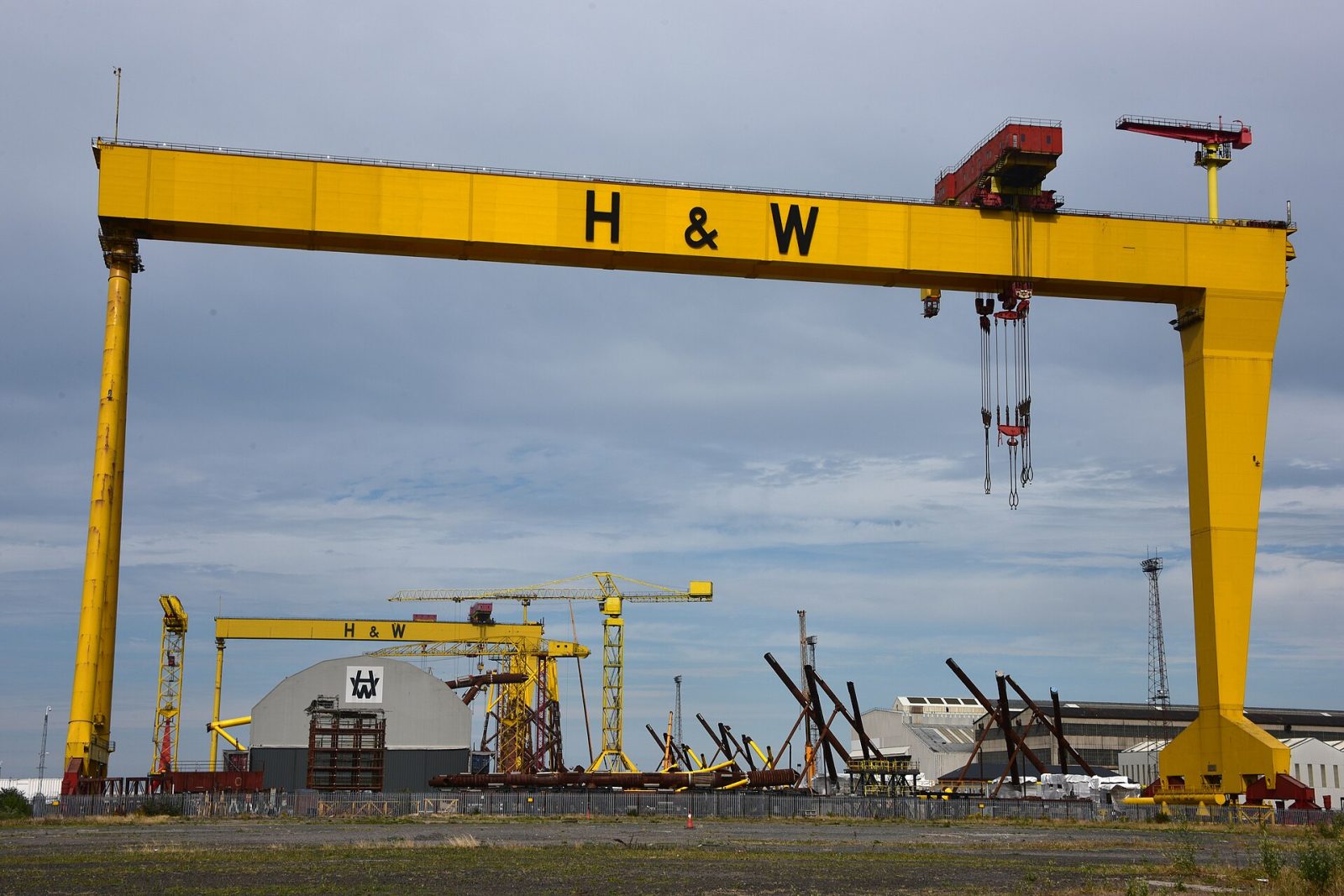
Yes to opportunity. Northern Ireland's access to both the UK and EU markets, its universities, and growing industries in cyber security, film, life sciences and advanced manufacturing give it real advantages. Unionism should champion them.
Yes to everyone who lives here. The Union belongs to Catholics as well as Protestants, to people who feel Irish as well as British, and to people who feel neither. Unionism should make that case to all of them, not just to its own.
Yes to honesty about the past. Confident unionism can admit where it got things wrong, from the unfairness of the old Stormont to the times it failed to reach out. Owning that history strengthens the case for the Union today.
Yes to the United Kingdom as a family of nations. Shared institutions, shared risk and shared opportunity, from the NHS to the pound to a voice on the world stage. That is something to celebrate, not merely defend.
The tone matters as much as the argument
People are rarely persuaded by being told they are wrong. They are persuaded by confidence, warmth and a clear picture of a better future. A unionism that sounds anxious and defensive will struggle, however strong its arguments. A unionism that sounds generous and ambitious can win.
From no to yes
Saying no to a united Ireland remains the right answer. Nobody has yet shown how it would be paid for, how it would protect British identity, or why it would be better for families here. But the case for the Union is far bigger than that. It is a case for stability, opportunity and a shared home for everyone in Northern Ireland. Unionism's task now is to make that positive case, loudly and to everyone.
This is an opinion piece. It sets out the author’s view.